Verdict
The Star Trek fantasy of building a fleet and exploring the galaxy is real and occasionally magical — but Scopely's monetization has calcified into a second job for anyone who wants to compete.
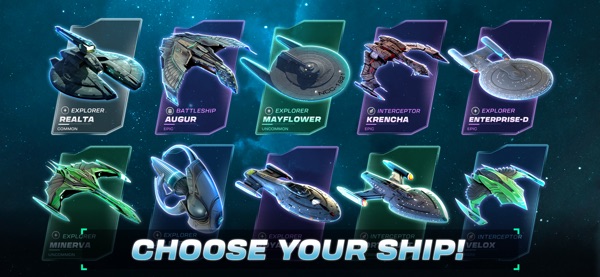
Star Trek Fleet Command has been running since 2018, which by mobile 4X standards makes it practically ancient. We spent a couple of weeks back in the Alpha Quadrant to see whether the game underneath Scopely's monetization is still worth the trip.
The essentials
At its core, Fleet Command is a solid space 4X: you build up a station, research and construct ships, recruit officers with distinct abilities, and send away teams to resolve mission encounters that feel closer to a lightweight RPG than typical base-building filler. The licensed content is handled with real care — ship silhouettes, officer voice lines, and faction storylines (Federation, Klingon, Romulan, and beyond) all read as genuinely Star Trek rather than a reskin slapped over a generic strategy template. If you grew up on the shows, there's real pleasure in outfitting a Constitution-class refit and parking it in a nebula to hunt for resources.
The early-to-mid game holds up well. Diplomacy and faction reputation systems add texture beyond "build bigger fleet, hit smaller fleet," and the mission/away-team loop gives you something to do between building timers that isn't just waiting.
The experience
Where it falls apart is exactly where most players end up spending most of their time: the mid-to-late game economy. Multiple long-time players describe monetization getting "steadily worse" over the past year, with some purchasable ships historically locked behind cash-only windows in their first month of availability — a mechanic that draws a straight line between wallet size and fleet strength. That's not a subtle pay-to-win lever; it's one of the more direct ones we've seen in this genre.
The broader pattern we found matches what players report: enough free progression to keep the loop feeling generous early, followed by a steady tightening of resources and timers designed to make continuing to progress without spending feel increasingly punishing. It's a well-worn mobile monetization playbook, but Fleet Command's version is aggressive even by that genre's low bar — some players describe the day-to-day grind as feeling more like obligation than entertainment once you're past the honeymoon period.
Bug and balance response also gets criticized. The recurring complaint is that new monetized content — ships, events, bundles — ships reliably on schedule, while lag, glitches, and long-standing balance complaints linger for months. Nerfs to existing strategies land more often than fixes to what's broken, and the impression many veteran players have is that the loudest voice the developers listen to is the highest-spending one.
The limits
If you're a free player or a modest spender, expect a real ceiling. PvP in particular becomes difficult to engage with competitively without significant investment, and the resource math for keeping pace with whale-funded alliances gets punishing fast. This isn't a game where clever play alone closes the gap the way it can in, say, a well-balanced PvE-focused strategy title — spending buys direct, meaningful power here.
The game also demands real time investment even before money enters the picture: building queues, research timers, and alliance participation windows all reward near-constant check-ins, which is standard for the genre but still worth knowing going in.
Who is this for
Fleet Command is for Star Trek fans who want the IP treated with respect and don't mind capping their ambitions at casual-to-mid-tier progression, or for players who are comfortable being meaningful spenders in a genre built around exactly that. It's a hard pass for anyone allergic to pay-to-win PvP or looking for a mobile strategy game that respects a modest budget.
Verdict: 5.5/10. The Star Trek license is handled with genuine care, and the core building blocks of a good 4X are all present — but the monetization has grown aggressive enough, and the developer response to non-monetized issues thin enough, that we can only recommend this to players who've made peace with spending, or who plan to stay firmly in casual territory.
Pros
- Ship-building and away-team RPG systems capture Star Trek's identity better than most licensed games
- Faction and diplomacy systems give early-to-mid game genuine strategic depth
- Regular new ships, officers, and story content keep the galaxy feeling alive
Cons
- Monetization has visibly worsened year over year, by players' own accounts
- PvP and late-game resource walls are difficult to clear without paying
- Bugs and balance issues often go unaddressed while new purchasable content ships on schedule