Star Trek Fleet Command buries a surprising amount of long-term strategy under its ship-battle surface. The choices that matter most — which faction you commit to, whether you join an alliance, what you research first — all happen in week one, and getting them backwards costs you weeks of catch-up later. Here's the order that actually works.
Pick a Faction — the Choice Matters Less Than Making It
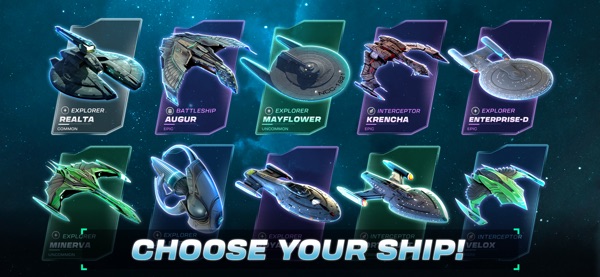
You start with access to three major factions: Federation, Klingon, and Romulan, with more unlocking as you progress. New captains often freeze up trying to pick the "correct" one. Don't. Each faction runs its own reputation track with a daily reward event once you hit "tolerated" standing, and those rewards accumulate into weekly and monthly bonus coins. The factions differ in flavor — ships, bonuses, shop unlocks — but none of them will sink your account. What sinks your account is spreading reputation thin across all three instead of committing to one and riding its reward track. Choose based on which ship roster or aesthetic actually pulls you in, then commit.
Join an Alliance Before You Touch Anything Else
This is the single highest-leverage move available to a new player, and it costs nothing. An alliance protects your base while you're offline — a genuinely important defense layer at low level, when a single hostile fleet can wipe out hours of resource accumulation — and gives you a coordination channel for exploring dangerous systems and taking on content too hard to solo. Apply to an alliance as soon as the opening tutorial missions release you into open space. Don't wait until you "have something to contribute." Early alliance membership is about protection and information, not your combat power.
Research: Spend Points on Systems, Not Ships
Research produces permanent account-wide bonuses once a field is completed, which makes it categorically different from ship upgrades — a completed research node benefits every ship you own, forever, while a ship upgrade benefits one hull. New players consistently under-invest here because research feels slower and less visually rewarding than watching a ship's stats tick up. Resist that instinct. Prioritize research lines that boost your core resource production and combat stats broadly before you sink points into anything ship-specific — the permanent multiplier compounds every session afterward, while a single upgraded ship is a one-time gain you'll likely replace anyway as you unlock better hulls.
Mining, Missions, and Reading the Room on PvP
Your early economy runs on mining nodes and story missions, and the two feed each other: missions push you toward new systems with better resource nodes, and resource income funds the ship and station upgrades that let you survive in those systems. Keep a miner working at all times — idle mining capacity is pure lost income — but don't push into higher-level systems faster than your combat power supports. STFC's open galaxy means stronger players can and will attack visible, poorly defended targets, so a good rule for your first few weeks: don't mine or sit exposed in a system where you can see hostile fleets well above your own combat rating.
A Practical Week-One Checklist
- Finish the tutorial missions, then apply to an active alliance immediately.
- Pick one faction and start building reputation toward its daily reward tier.
- Set a research priority list favoring economy and general combat stats over faction-specific or ship-specific nodes.
- Keep a miner assigned at all times; don't let mining capacity sit idle.
- Scout a system's hostile fleet strength before parking a miner or an exposed ship there.
The Bottom Line
STFC rewards captains who front-load the boring, structural decisions — alliance, faction commitment, research discipline — before chasing the flashier ship-collecting side of the game. Get those four choices right in week one and the rest of your progression compounds instead of fighting you.
Sources: Pocket Gamer beginner guide, GamesGuideInfo beginners guide